
Ogbomoso Cashew: A Jewel of the Land and a Catalyst for Economic Growth
Introduction
Cashew cultivation in Ogbomoso is more than just agriculture—it is an integral part of the town’s history, identity, and economic livelihood. Spanning decades, cashew farming has empowered generations of families and placed Ogbomoso on the map as one of Nigeria’s leading cashew-producing regions. As global demand for cashew nuts and their by-products continues to rise, Ogbomoso stands uniquely positioned to play a central role in Nigeria’s agricultural future.
Cashew trees were first introduced to Nigeria by Portuguese traders in the 16th century, primarily for erosion control and reforestation. However, it wasn’t until the mid-20th century that cashew farming began to gain prominence as a commercial crop in Oyo State. In Ogbomoso, the adoption of cashew was driven by the area’s favorable climate, soil fertility, and the hardworking disposition of local farmers.
By the 1970s and 1980s, cashew farming had become a major source of livelihood in many parts of Ogbomoso. Several government-backed agricultural schemes during this era encouraged the cultivation of tree crops, and cashew was among the most successful. Over time, the people of Ogbomoso developed indigenous techniques for nurturing the crop, turning it into a staple of the local economy.
Today, cashew plantations in communities like Ijeru, Abogunde, Oke-Owode, Ajilete, Ikoyi, Ajaawa, Adebayo, and Kinnira continue to thrive. Many families own cashew orchards that have been passed down for generations.
Cultural Significance
The cashew season is widely anticipated in Ogbomoso, not just for its financial rewards but also as a community-wide activity that fosters economic movement and cultural bonding. Youths, women, and men all participate in harvesting, sorting, and selling. It’s a period when rural communities come alive, as traders from across the country converge to purchase the highly sought-after Ogbomoso cashew.
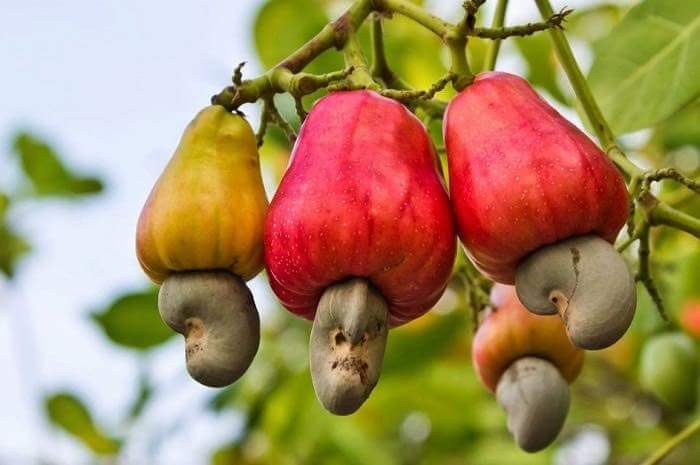
Cashew trees also contribute to the natural beauty of Ogbomoso’s rural landscape, with their wide canopies and vibrant fruits, which are both edible and marketable.
Economic Significance
- Employment: The cashew value chain in Ogbomoso—from cultivation and harvesting to sorting, drying, and transportation—employs thousands, especially during peak seasons (February to May).
- Income Generation: Smallholder farmers, many of whom own modest plots of land, often earn their highest annual income during the cashew season.
- Export and Trade: Ogbomoso cashew is renowned for its quality and kernel size, making it highly attractive to local aggregators and international buyers. Traders from Lagos, Kano, and even West African countries regularly patronize Ogbomoso cashew markets.
- Support for Allied Businesses: Transporters, local food vendors, bag manufacturers, and equipment rental providers all benefit from the seasonal boom brought by the cashew trade.
- Roadside Markets during cashew season (February – May), especially along routes like the Ogbomoso-Ilorin road, Oke-Owode, and Takie area.
- Major Trading Hubs like:
- Arowomole Cashew Buying Point
- Ikoyi and Ajaawa Rural Buying Centers
- Abogunde and Owode Evening Markets
- Roasted Cashew Retailers in urban centers like Under G, Caretaker, and Oke-Anu often sell cashew in branded packs for everyday consumption.
- Bulk Buyers and Exporters can connect directly with cooperatives like:
- Ogbomoso Cashew Farmers and Exporters Union
- Oriire Cashew Growers Association
- Modern Processing Plants – For shelling, grading, and packaging.
- Cashew Nut Shell Oil (CNSO) Extraction – Used in the production of brake linings, paints, and resins.
- Improved Storage & Logistics – To minimize post-harvest losses.
- Cashew Agro-Tech Solutions – Including digital aggregation platforms and remote farm monitoring tools.
- Agro-Export Infrastructure – Strengthening links between Ogbomoso and ports in Lagos/Benin Republic.
- Agro-Tourism and Branding – Including “Ogbomoso Cashew Festival” as part of cultural tourism (e.g., the Ogbomoso Cradle Festival).
- Cashew Beverage & Juice Production – Utilizing the cashew apple, which is often wasted, for fruit juice, wine, and vinegar production.
- Youth Agro-Entrepreneurship Programs – To train and support the next generation of cashew business owners.